Oral health issues often go unnoticed until they begin to interfere with daily life. One such serious yet commonly ignored condition is Oral Submucous Fibrosis (OSMF). This chronic disorder affects the oral cavity and can significantly reduce mouth opening, making eating, speaking, and even basic oral hygiene difficult. If left untreated, Oral Submucous Fibrosis may also increase the risk of oral cancer.
Understanding the causes, symptoms, and available treatment options is essential for early diagnosis and effective management. This guide explains everything you need to know about Oral Submucous Fibrosis and how timely dental care can make a real difference.
What is Oral Submucous Fibrosis?
Oral Submucous Fibrosis is a chronic, progressive condition that affects the soft tissues of the mouth, including the cheeks, lips, tongue, and throat. It leads to the formation of fibrous bands in the oral tissues, causing stiffness and reduced elasticity.
Over time, patients experience difficulty in opening the mouth (trismus), burning sensations, and restricted tongue movement. Since OSMF is irreversible in advanced stages, early detection and professional treatment are extremely important.
Dental specialists at Dean Dental Clinic emphasize early diagnosis to slow disease progression and maintain oral functionality.
What is the Main Cause of Oral Submucous Fibrosis?
The primary cause of Oral Submucous Fibrosis is the habitual chewing of areca nut (supari), often found in products like gutkha, pan masala, and betel quid. Areca nut contains harmful alkaloids that stimulate excessive collagen production, leading to fibrosis of oral tissues.
Other contributing factors include:
- Tobacco chewing and smoking
- Excessive consumption of spicy foods
- Nutritional deficiencies (iron, vitamin B complex)
- Genetic predisposition
- Autoimmune reactions
Among these, areca nut consumption remains the most significant and preventable risk factor.
Common Symptoms of Oral Submucous Fibrosis
Symptoms of Oral Submucous Fibrosis develop gradually and worsen over time. Early signs are often ignored, which delays treatment.
Key symptoms include:
- Burning sensation in the mouth, especially while eating spicy food
- Reduced mouth opening
- Tightness or stiffness in cheeks
- Difficulty in chewing and swallowing
- Restricted tongue movement
- Dryness of mouth
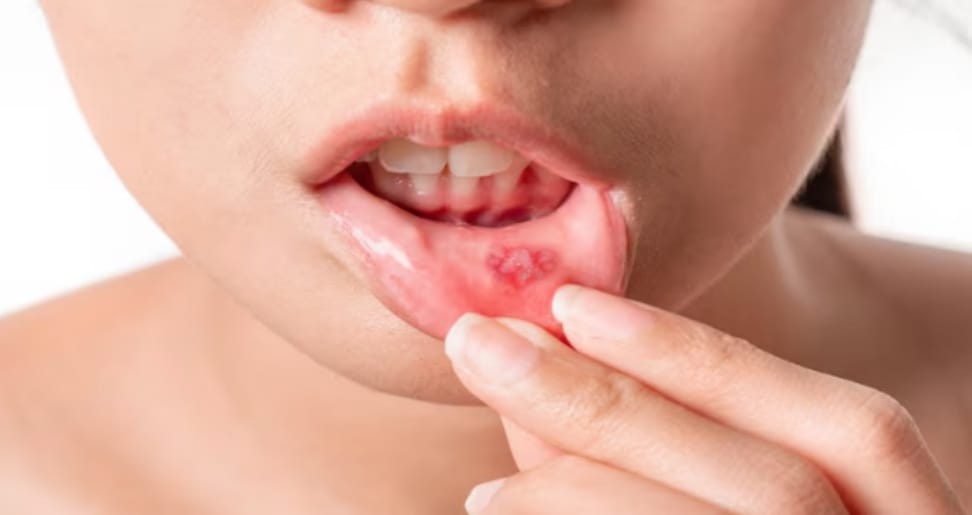
- Ulcerations or pale appearance of oral tissues
If you notice any of these symptoms, consulting an experienced dental professional at Dean Dental Clinic can help prevent complications.
Stages of Oral Submucous Fibrosis
Oral Submucous Fibrosis progresses through different stages:
Early Stage
- Mild burning sensation
- Slight stiffness in oral tissues
- No significant mouth opening restriction
Moderate Stage
- Noticeable reduction in mouth opening
- Difficulty in eating and speaking
- Formation of fibrous bands
Advanced Stage
- Severe trismus
- Inability to open the mouth properly
- High risk of malignant transformation
Early-stage intervention offers the best treatment outcomes.
Diagnosis of Oral Submucous Fibrosis
Diagnosis involves a combination of:
- Detailed medical and habit history
- Clinical examination of oral tissues
- Measurement of mouth opening
- Biopsy (if required) to rule out malignancy
At Dean Dental Clinic, advanced diagnostic methods are used to ensure accurate assessment and personalized treatment planning.
Best Medicine for Oral Submucous Fibrosis
There is no single cure for Oral Submucous Fibrosis, but medications can help control symptoms and slow progression.
Commonly prescribed medicines include:
- Antioxidants to reduce oxidative stress
- Vitamin and mineral supplements to correct deficiencies
- Steroids to reduce inflammation
- Hyaluronidase injections to soften fibrous tissues
- Pentoxifylline to improve blood circulation
The best medicine for Oral Submucous Fibrosis depends on the stage and severity of the condition and should always be taken under professional supervision.
How to Get Rid of Fibrosis in Mouth
While complete reversal is not possible in advanced cases, fibrosis in the mouth can be managed effectively with the right approach.
Key management strategies include:
- Immediate cessation of areca nut and tobacco habits
- Regular mouth-opening exercises
- Medication therapy
- Nutritional improvement
- Physiotherapy
- Surgical intervention in severe cases
Dental experts at Dean Dental Clinic design customized treatment plans to help patients regain mouth mobility and improve quality of life.
Treatment Options for Oral Submucous Fibrosis
Non-Surgical Treatment
- Habit cessation counseling
- Medication therapy
- Physiotherapy and jaw exercises
- Nutritional support
Surgical Treatment
In advanced stages with severe mouth restriction, surgical release of fibrous bands may be required, followed by rehabilitation.
Early consultation significantly reduces the need for surgery.
Why Early Treatment Matters
Ignoring Oral Submucous Fibrosis can lead to:
- Permanent mouth restriction
- Difficulty in nutrition intake
- Speech problems
- Increased risk of oral cancer
Early diagnosis and professional care at Dean Dental Clinic can help prevent disease progression and long-term complications.
Frequently Asked Questions (FAQ)
1. What is the main cause of oral submucous fibrosis?
The main cause of oral submucous fibrosis is the regular chewing of areca nut, commonly found in gutkha, pan masala, and betel quid. Tobacco use and nutritional deficiencies also contribute.
2. What is the best medicine for oral submucous fibrosis?
There is no single best medicine for oral submucous fibrosis. Treatment usually includes antioxidants, vitamins, steroids, and enzyme injections based on disease severity and professional evaluation.
3. How to get rid of fibrosis in mouth naturally?
Fibrosis cannot be completely reversed naturally, but stopping harmful habits, performing mouth-opening exercises, improving nutrition, and following dental treatment can significantly control the condition.
Conclusion
Oral Submucous Fibrosis is a serious condition that requires timely attention and professional care. With early diagnosis, habit modification, and appropriate treatment, disease progression can be controlled effectively. If you or a loved one experiences symptoms like restricted mouth opening or burning sensation in the mouth, seeking expert care at Dean Dental Clinic can make a life-changing difference. Prioritizing oral health today helps ensure a healthier, cancer-free tomorrow.
Have A Look :-