Missing teeth can affect more than just your smile—they can impact your confidence, speech, and ability to chew properly. One of the most effective solutions to restore missing teeth is dental bridge treatment. This restorative procedure has been widely used in modern dentistry to bring back both function and aesthetics. In this blog, we’ll explore everything you need to know about dental bridges, including types, procedure, benefits, and care.
What is Dental Bridge Treatment?
Dental bridge treatment is a dental procedure used to replace one or more missing teeth by “bridging” the gap between existing teeth. A dental bridge typically consists of artificial teeth (pontics) supported by crowns placed on adjacent natural teeth or implants.
This treatment not only restores your smile but also maintains the shape of your face and prevents remaining teeth from shifting out of position.
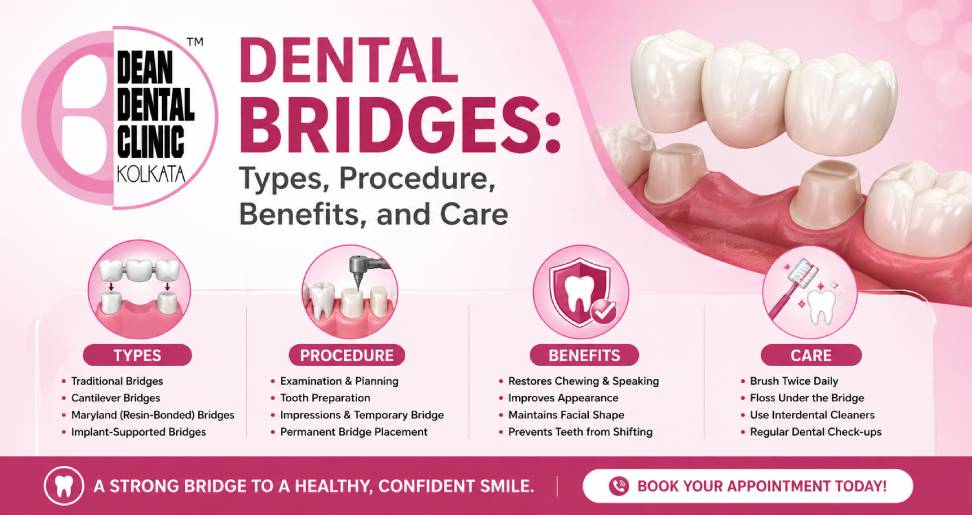
Types of Dental Bridges
There are several types of dental bridges available, depending on your dental condition:
1. Traditional Dental Bridge
This is the most common type. It involves placing crowns on the adjacent teeth with a false tooth in between. It is ideal when natural teeth are present on both sides of the gap.
2. Cantilever Bridge
Used when there is only one adjacent tooth available to support the bridge. It is less commonly recommended due to reduced stability.
3. Maryland Bridge
This type uses a metal or porcelain framework bonded to the back of adjacent teeth instead of crowns. It is a more conservative option but may not be as strong.
4. Implant-Supported Bridge
Instead of relying on natural teeth, this bridge is supported by dental implants. When comparing Dental bridge vs implant, implant-supported bridges tend to offer more durability and stability.
Dental Bridge vs Implant
A common question patients ask is the difference between a dental bridge and a dental implant.
- Dental Bridges: Faster procedure, more affordable, and suitable when adjacent teeth need crowns.
- Dental Implants: Long-lasting, do not rely on neighboring teeth, and help preserve jawbone structure.
While implants are often considered a permanent solution, bridges remain a popular choice due to their affordability and shorter treatment time.
Procedure of Dental Bridge Treatment
The dental bridge procedure usually involves two to three visits:
Step 1: Consultation and Preparation
Your dentist examines your oral health and prepares the adjacent teeth by reshaping them for crowns.
Step 2: Impressions
Impressions of your teeth are taken to create a custom-fit bridge. A temporary bridge may be placed to protect exposed teeth.
Step 3: Bridge Placement
Once the permanent bridge is ready, it is carefully fitted, adjusted, and cemented into place.
This process is painless and performed under local anesthesia for comfort.
Is a Dental Bridge Permanent?
One of the most common concerns is: Is a dental bridge permanent?
The answer is—dental bridges are not permanent but are long-lasting. With proper care, a dental bridge can last anywhere between 10 to 15 years or even longer. Regular dental check-ups and good oral hygiene play a crucial role in extending its lifespan.
Benefits of Dental Bridge Treatment
Dental bridges offer multiple advantages, making them a reliable tooth replacement option:
1. Restores Smile and Confidence
Fills the gap caused by missing teeth and enhances facial aesthetics.
2. Improves Chewing and Speech
Helps in proper chewing and prevents speech difficulties caused by missing teeth.
3. Maintains Facial Structure
Prevents bone loss and maintains the natural shape of your face.
4. Prevents Teeth Shifting
Keeps surrounding teeth in proper alignment.
5. Cost-Effective Solution
Compared to implants, dental bridges are generally more affordable.
Dental Bridge Problems
Although dental bridges are effective, some patients may experience certain issues over time. Common Dental bridge problems include:
- Tooth Sensitivity: After the procedure, mild sensitivity may occur.
- Risk of Decay: Supporting teeth are more prone to decay if not cleaned properly.
- Bridge Loosening: Poor bonding or wear over time may cause the bridge to loosen.
- Gum Disease: Improper hygiene can lead to gum infections.
However, most of these problems can be prevented with proper care and regular dental visits.
Care and Maintenance of Dental Bridges
Maintaining your dental bridge is essential for its longevity:
1. Maintain Oral Hygiene
Brush twice daily and floss regularly, especially around the bridge area.
2. Use Special Cleaning Tools
Interdental brushes or floss threaders help clean under the bridge.
3. Avoid Hard Foods
Limit chewing on hard or sticky foods to prevent damage.
4. Regular Dental Check-ups
Visit a crowns and bridges speciality dental clinic for routine examinations and professional cleaning.
Who is a Good Candidate for Dental Bridges?
You may be a suitable candidate for dental bridge treatment if:
- You have one or more missing teeth
- You have healthy adjacent teeth or implants
- You maintain good oral hygiene
- You do not have severe gum disease
A professional dental consultation is necessary to determine the best treatment plan.
Cost of Dental Bridge Treatment
The cost of dental bridge treatment varies depending on:
- Type of bridge used
- Material (porcelain, ceramic, metal)
- Number of teeth involved
- Clinic location and expertise
While it is generally more affordable than implants, it’s important to prioritize quality and expertise when choosing a clinic.
Conclusion
Dental bridge treatment is a reliable and effective solution for replacing missing teeth. It not only restores your smile but also improves oral function and prevents future dental complications. Whether you’re comparing Dental bridge vs implant, wondering Is a dental bridge permanent, or concerned about Dental bridge problems, understanding the procedure and care can help you make an informed decision.
For the best results, always consult a trusted crowns and bridges speciality dental clinic to ensure high-quality treatment and long-lasting outcomes. With proper care, a dental bridge can significantly enhance your oral health and quality of life.
Have A Look :-