Tooth pain can be one of the most uncomfortable and distressing experiences, often signaling an underlying dental issue that requires immediate attention. One of the most common treatments for severe tooth infection or decay is Root Canal Treatment. While many people fear this procedure, understanding how to manage pain before undergoing it can make a significant difference in your overall experience.
In this blog, we will explore practical ways to relieve discomfort before treatment, along with answering important questions like how to know if you need a root canal, how long does root canal pain last, and do root canal treatment hurt.
What is Root Canal Treatment?
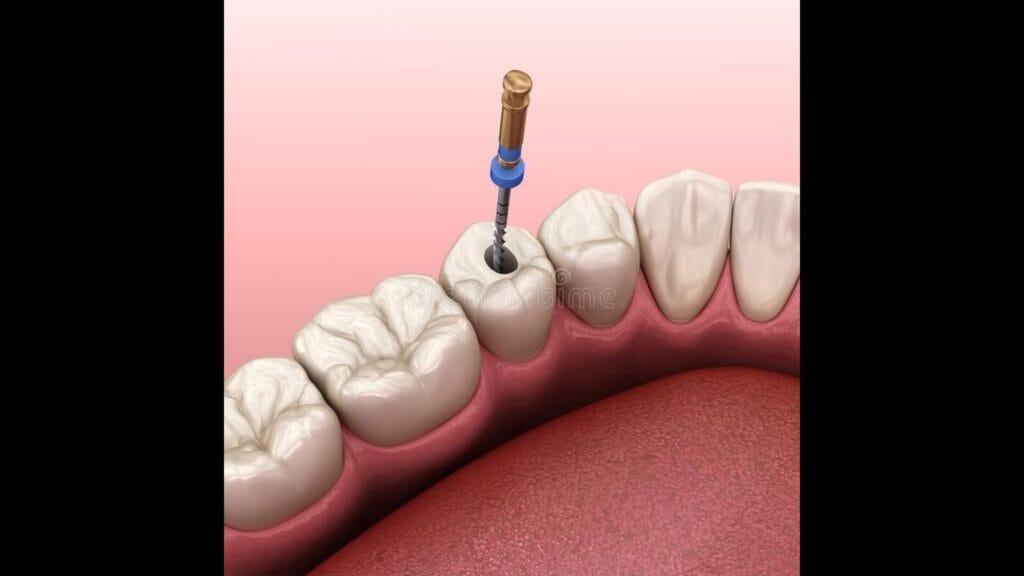
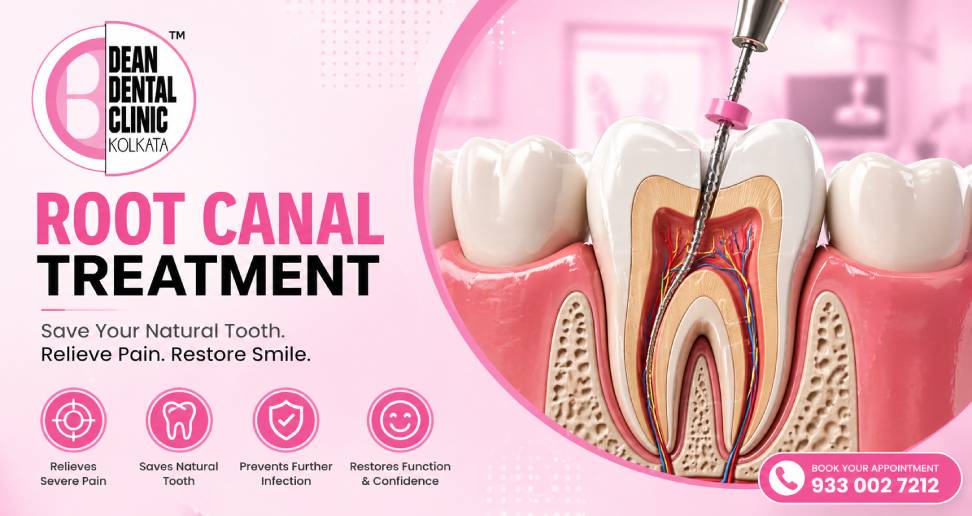
Root Canal Treatment (RCT) is a dental procedure used to treat infection at the center of a tooth (the pulp). When bacteria invade the pulp due to deep decay, cracks, or trauma, it can lead to severe pain, swelling, and even tooth loss if left untreated. During the procedure, the infected pulp is removed, the tooth is cleaned, and then sealed to prevent further infection.
How to Know If You Need a Root Canal
Before focusing on pain relief, it’s important to recognize the signs that indicate you may require this treatment. Here are some common symptoms:
- Persistent toothache that doesn’t go away
- Sensitivity to hot or cold that lingers
- Swollen or tender gums
- Darkening of the tooth
- Pain when chewing or biting
- A small pimple-like bump on the gums
If you’re wondering how to know if you need a root canal, these symptoms are strong indicators. However, only a dentist can confirm the diagnosis through examination and X-rays.
Causes of Pain Before Root Canal Treatment
Pain prior to treatment is usually caused by inflammation or infection inside the tooth. The pressure from swelling in a confined space can lead to throbbing pain that may spread to the jaw, ear, or head.
Common causes include:
- Deep cavities
- Cracked or chipped teeth
- Repeated dental procedures on the same tooth
- Untreated dental infections
Effective Ways to Relieve Pain Before Root Canal Treatment
While a root canal is the ultimate solution, there are several ways to manage pain before your dental appointment:
1. Over-the-Counter Pain Relievers
Medications like ibuprofen or paracetamol can help reduce inflammation and provide temporary relief. Always follow dosage instructions and consult a healthcare provider if unsure.
2. Cold Compress
Applying a cold compress to the outside of your cheek can numb the area and reduce swelling. Use it for 15–20 minutes at a time.
3. Saltwater Rinse
Rinsing your mouth with warm salt water can help reduce bacteria and soothe irritated gums.
4. Avoid Trigger Foods
Stay away from extremely hot, cold, or sugary foods that may worsen sensitivity and pain.
5. Keep Your Head Elevated
Lying flat can increase blood pressure in the head and intensify tooth pain. Keeping your head elevated while resting can help reduce discomfort.
6. Maintain Oral Hygiene
Brush and floss gently to keep the affected area clean and prevent further infection.
7. Use Clove Oil
Clove oil has natural analgesic and antibacterial properties. Applying a small amount to the affected area may help ease pain temporarily.
Do Root Canal Treatment Hurt?
A common concern among patients is: do root canal treatment hurt? The answer is reassuring—modern dental techniques and anesthesia have made the procedure virtually painless. In fact, root canal treatment is designed to relieve pain, not cause it.
During the procedure, the dentist numbs the area completely, ensuring you feel minimal to no discomfort. After the treatment, some mild soreness may occur, but it is manageable with medication and usually subsides within a few days.
How Long Does Root Canal Pain Last?
Another frequently asked question is how long does root canal pain last. After the procedure, it’s normal to experience mild discomfort or sensitivity for 2–5 days. This is part of the natural healing process.
However, if pain persists beyond a week or becomes severe, it’s important to consult your dentist as it may indicate complications.
What to Expect During Root Canal Treatment
Understanding the process can reduce anxiety and help you prepare mentally. Here’s what typically happens:
- Examination and X-ray – To assess the extent of infection
- Local Anesthesia – To numb the area
- Cleaning the Root Canal – Removal of infected pulp
- Filling and Sealing – Prevents reinfection
- Crown Placement (if needed) – Restores strength and function
The procedure usually takes one or two visits depending on the complexity.
Tips to Prepare for Your Root Canal Appointment
- Eat a light meal before your appointment
- Take prescribed medications as directed
- Get adequate rest the night before
- Inform your dentist about any medical conditions
Preventing the Need for Root Canal Treatment
While root canal treatment is effective, prevention is always better. Follow these dental care tips:
- Brush twice daily with fluoride toothpaste
- Floss regularly
- Visit your dentist for routine checkups
- Avoid excessive sugary foods and drinks
- Wear a mouthguard if you play sports
When to See a Dentist Immediately
Seek urgent dental care if you experience:
- Severe, unbearable tooth pain
- Swelling in the face or jaw
- Fever along with toothache
- Difficulty swallowing or breathing
Delaying treatment can worsen the infection and lead to more serious complications.
Conclusion
Dealing with tooth pain can be overwhelming, especially when it leads to the need for Root Canal Treatment. However, understanding the symptoms, causes, and pain management techniques can help you stay calm and prepared.
If you’re experiencing symptoms and wondering how to know if you need a root canal, don’t delay seeking professional advice. Remember, modern dentistry ensures that the procedure is safe, effective, and far less painful than its reputation suggests.
By following the pain relief tips mentioned above, you can manage discomfort until your appointment and take a step closer to restoring your oral health.
Have A Look :-