Oral surgery is a common dental procedure that helps treat a wide range of dental and oral health problems, including impacted teeth, wisdom tooth extraction, dental implants, jaw correction procedures, and gum-related surgeries. After undergoing oral surgery, proper aftercare becomes essential for a smooth and fast recovery. One of the most important aspects of recovery is maintaining the right diet. Eating soft foods after oral surgery can reduce discomfort, prevent complications, and help the healing process.
At Dean Dental Clinic, patients receive professional oral care guidance along with advanced treatment solutions to ensure safe recovery after oral surgery procedures.
Why Soft Foods Are Important After Oral Surgery
Following oral surgery, the gums and surrounding tissues become sensitive and vulnerable. Hard, crunchy, spicy, or sticky foods can irritate the surgical area and may even damage stitches or cause bleeding. Soft foods are easier to chew and swallow, allowing the mouth to heal properly without unnecessary strain.
Many patients often ask, “what to eat after oral surgery with stitches?” The answer lies in choosing nutritious, soft-textured foods that provide energy while minimizing irritation to the surgical area.
Soft foods also help reduce pain and swelling during the initial recovery phase. Proper nutrition is essential because your body needs vitamins, proteins, and minerals to repair tissues and fight infection after oral surgery.
What to Eat After Oral Surgery With Stitches
If you have stitches after oral surgery, your diet should mainly include foods that are gentle on the mouth. Here are some ideal options:
1. Smooth Soups
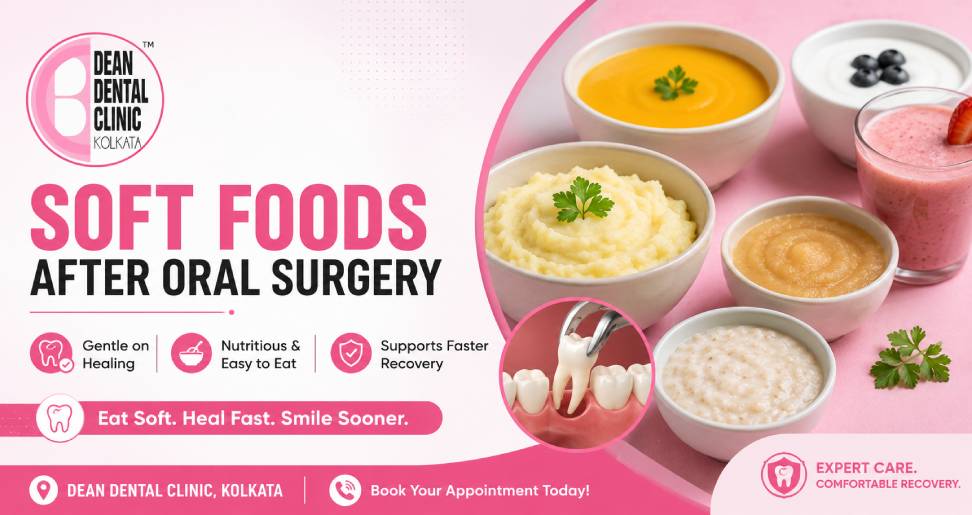
Warm soups like tomato soup, pumpkin soup, or blended vegetable soup are excellent choices. Avoid extremely hot soups as heat may irritate the surgical site.
2. Mashed Potatoes
Mashed potatoes are soft, filling, and easy to eat. They provide carbohydrates that help maintain energy during recovery.
3. Yogurt
Plain yogurt is cool, soothing, and rich in probiotics. It is one of the safest foods to consume after oral surgery.
4. Smoothies
Fruit smoothies made with bananas, berries, and milk can provide essential nutrients. However, avoid using straws because suction can disturb blood clots and delay healing.
5. Scrambled Eggs
Soft scrambled eggs are rich in protein and easy to chew, making them ideal after oral surgery.
6. Oatmeal
Well-cooked oatmeal is soft and nutritious. It can be consumed once the initial soreness begins to reduce.
7. Applesauce
Applesauce is easy to swallow and provides vitamins without requiring chewing.
8. Soft Rice and Pasta
Soft-cooked rice and pasta are gentle on the mouth and can be included in meals after a few days of recovery.
9. Cottage Cheese
This is another soft, protein-rich option that supports tissue repair.
10. Ice Cream and Pudding
Cold foods like pudding and ice cream can help soothe swelling and discomfort temporarily.
Patients at Dean Dental Clinic are often advised to follow a customized post-surgery diet plan depending on the type of oral surgery performed.
Foods to Avoid After Oral Surgery
While focusing on soft foods, it is equally important to avoid certain foods that may interfere with healing.
Avoid:
- Crunchy snacks like chips and popcorn
- Hard foods like nuts and candies
- Spicy foods
- Sticky foods
- Extremely hot beverages
- Carbonated drinks
- Alcohol
- Foods with seeds that may get stuck in stitches
Ignoring dietary precautions after oral surgery may lead to complications such as dry socket, infection, or delayed healing.
Recovery Tips After Oral Surgery
Apart from eating soft foods, following proper aftercare instructions is important for recovery.
Maintain Oral Hygiene
Keep your mouth clean but avoid brushing directly around the surgical area for the first few days.
Stay Hydrated
Drink enough water throughout the day to prevent dehydration and support healing.
Avoid Smoking
Smoking can slow healing and increase the risk of infection after oral surgery.
Rest Properly
Take enough rest and avoid strenuous physical activity for a few days after surgery.
Follow Your Dentist’s Instructions
Every oral surgery procedure is different, so always follow the recommendations provided by your dental specialist.
At Dean Dental Clinic, experienced dental professionals guide patients through every stage of recovery for safe and comfortable healing.
Is Oral Surgery Medical or Dental?
One common question patients ask is, “is oral surgery medical or dental?” The answer depends on the type of procedure being performed.
Many oral surgeries are considered dental procedures because they involve the teeth, gums, and jawbone. Examples include tooth extraction, dental implants, and gum surgeries.
However, some oral surgeries may also fall under medical treatment if they are related to trauma, facial injuries, infections, cysts, tumors, or medically necessary corrective procedures. Insurance coverage often depends on whether the surgery is classified as medical or dental.
Understanding whether oral surgery is medical or dental is important because it can affect insurance claims and healthcare benefits.
Does Medicare Cover Oral Surgery?
Another frequently searched question is “does medicare cover oral surgery?” In many cases, Medicare coverage for oral surgery depends on the medical necessity of the procedure.
Routine dental treatments are generally not covered under standard Medicare plans. However, Medicare may provide coverage for oral surgery if it is considered medically necessary, such as:
- Jaw reconstruction after an accident
- Surgery related to oral cancer
- Hospital-based oral procedures
- Treatment connected to other serious health conditions
Similarly, many patients also ask, “does medicare pay for oral surgery?” Coverage policies can vary based on the specific Medicare plan and the nature of the treatment. It is always advisable to verify details with your insurance provider before scheduling oral surgery.
The dental team at Dean Dental Clinic helps patients understand treatment procedures and provides guidance regarding treatment planning and consultation support.
How Long Should You Eat Soft Foods After Oral Surgery?
The duration of a soft-food diet depends on the complexity of the oral surgery. Most patients need to follow a soft-food routine for at least a few days to a week. More complex surgeries, such as jaw surgery or multiple tooth extractions, may require a longer recovery period.
Your dentist will monitor the healing process and advise when you can safely return to normal foods.
Conclusion
Recovering from oral surgery requires patience, proper oral care, and the right dietary choices. Eating soft foods after oral surgery can significantly improve comfort and promote faster healing. Knowing what to eat after oral surgery with stitches can prevent unnecessary pain and complications while supporting recovery.
Understanding insurance-related concerns such as “does medicare cover oral surgery,” “does medicare pay for oral surgery,” and “is oral surgery medical or dental” can also help patients prepare better before treatment.
For expert oral care, advanced dental procedures, and personalized recovery guidance, Dean Dental Clinic provides professional support to help patients achieve safe and successful healing after oral surgery.
Have A Look :-