Wisdom teeth removal is one of the most common dental procedures performed to protect oral health and prevent future complications. Wisdom teeth, also known as third molars, are the last permanent teeth to erupt, usually between the ages of 17 and 25. While some people have enough space for these teeth to grow normally, many experience impacted or partially erupted wisdom teeth that can lead to pain, infection, swelling, and damage to nearby teeth.
If your dentist has recommended wisdom teeth removal, understanding the procedure, benefits, and recovery process can help reduce anxiety and prepare you for a smooth healing journey. In this guide, you’ll learn why wisdom teeth are removed, what happens during the procedure, recovery tips, and answers to the most commonly searched questions.
What Are Wisdom Teeth?
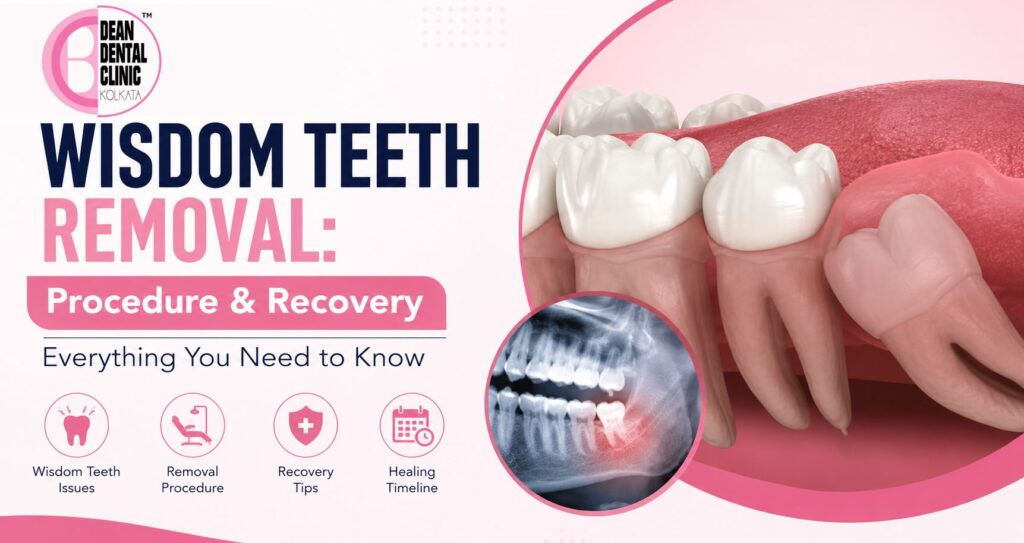
Wisdom teeth are the final set of molars that develop at the back of your mouth. Most adults have four wisdom teeth, although some people may have fewer or none at all.
Because modern jaws are often smaller than those of our ancestors, there may not be enough room for these teeth to erupt properly. As a result, wisdom teeth can become trapped beneath the gums (impacted), grow sideways, or only partially emerge. These issues increase the risk of oral health problems and often make wisdom teeth removal the best treatment option.
Signs You May Need Wisdom Teeth Removal
Not everyone experiences symptoms, but impacted wisdom teeth often cause noticeable discomfort. You should schedule a dental evaluation if you experience:
- Pain at the back of your mouth
- Swollen, tender, or bleeding gums
- Difficulty chewing food
- Jaw pain or stiffness
- Bad breath or unpleasant taste
- Recurrent gum infections
- Swelling around the jaw
- Food getting trapped behind the last molars
Even without symptoms, routine dental X-rays can reveal impacted wisdom teeth before they become problematic.
Why Is Wisdom Teeth Removal Necessary?
Dentists recommend removing wisdom teeth when they are likely to cause complications. Early removal can prevent future dental problems and make the recovery process easier.
Benefits of wisdom teeth removal include:
- Prevents tooth decay around difficult-to-clean areas
- Reduces the risk of gum disease and infection
- Prevents damage to neighbouring teeth
- Helps avoid overcrowding
- Reduces the risk of cysts and bone damage
- Eliminates recurring pain and swelling
- Improves long-term oral health
Early intervention is especially beneficial because younger patients usually heal faster.
Wisdom Teeth Removal Procedure
Knowing what to expect can help you feel more comfortable before surgery.
Initial Consultation
Your dentist will examine your mouth and take digital X-rays to determine the position of your wisdom teeth, root development, and proximity to important nerves.
Anaesthesia
Depending on the complexity of the case, your dentist may use:
- Local anaesthesia
- Sedation dentistry
- IV sedation
- General anaesthesia (for complex surgical extractions)
The procedure itself is designed to be comfortable, and you should not feel pain during treatment.
Tooth Extraction
If the wisdom tooth is impacted, the dentist makes a small incision in the gum. In some cases, a small amount of bone is removed to access the tooth. The tooth may be divided into smaller sections for easier removal. After the tooth is extracted, the area is cleaned, and stitches may be placed if required.
The procedure usually takes 30 to 60 minutes, depending on the number and position of the teeth being removed.
How Painful Is Wisdom Teeth Removal?
One of the most common concerns patients have is, “How painful is wisdom teeth removal?”
The good news is that the procedure itself is generally painless because anaesthesia numbs the area completely. You may feel pressure during the extraction but not sharp pain.
After the anaesthesia wears off, mild to moderate discomfort, swelling, and jaw stiffness are common. Your dentist will prescribe pain-relieving medication and provide detailed aftercare instructions to keep you comfortable. Most patients find the discomfort manageable and notice steady improvement within a few days.
Recovery After Wisdom Teeth Removal
Recovery is an important part of successful treatment. Following your dentist’s instructions helps prevent complications and promotes faster healing.
During the First 24 Hours
- Bite gently on the gauze provided.
- Rest and avoid strenuous activities.
- Apply ice packs to reduce swelling.
- Drink plenty of water.
- Eat soft foods.
- Take medications as prescribed.
Avoid smoking, alcohol, using straws, vigorous rinsing, and spitting forcefully, as these can dislodge the blood clot and cause a painful condition known as dry socket.
How Long Does a Wisdom Tooth Removal Heal?
Healing varies from person to person, but most patients follow this timeline:
- First 24 hours: Blood clot forms and bleeding stops.
- 2–3 days: Swelling reaches its peak.
- 3–7 days: Pain and swelling gradually improve.
- 1–2 weeks: Gum tissue heals significantly.
- 2–3 months: Bone beneath the extraction site fully remodels.
Most people can return to work, school, or normal activities within two to three days, although complete healing takes longer.
Best Foods to Eat After Wisdom Teeth Removal
Eating soft, nutritious foods supports healing and minimizes irritation.
Recommended foods include:
- Yogurt
- Mashed potatoes
- Oatmeal
- Smoothies (without using a straw)
- Scrambled eggs
- Applesauce
- Soft pasta
- Soup (lukewarm)
- Rice
- Cottage cheese
Avoid crunchy, spicy, sticky, or very hot foods until your dentist advises otherwise.
Is Wisdom Tooth Removal Good or Bad?
Many patients ask whether removing wisdom teeth is necessary.
If wisdom teeth are healthy, fully erupted, properly aligned, and easy to clean, removal may not be needed. However, when wisdom teeth become impacted or increase the risk of infection, pain, decay, or damage to neighbouring teeth, removal is generally the healthiest long-term solution.
Your dentist will recommend treatment based on your symptoms, clinical examination, and dental X-rays.
Possible Risks and Complications
Like any surgical procedure, wisdom teeth removal carries some risks, although serious complications are uncommon.
Possible risks include:
- Dry socket
- Infection
- Temporary swelling
- Mild bleeding
- Limited jaw movement
- Temporary numbness in rare cases
Carefully following post-operative instructions significantly reduces these risks.
FAQs:
Can I brush my teeth after wisdom teeth removal?
Yes. Brush the rest of your teeth gently while avoiding the extraction site during the first day.
How many days will the pain last?
Most discomfort improves within three to five days and continues to decrease over the following week.
Can wisdom teeth grow back after removal?
No. Once removed, wisdom teeth do not grow back. In rare situations, an extra tooth may develop, but this is uncommon.
When should I call my dentist?
Contact your dentist if you experience severe pain after several days, excessive bleeding, fever, pus, difficulty swallowing, or swelling that worsens instead of improving.
Conclusion
Wisdom teeth removal is a safe and effective procedure that helps prevent pain, infection, overcrowding, and future dental complications. Thanks to modern dental technology and advanced anaesthesia, the procedure is more comfortable than many patients expect. Following proper aftercare instructions, maintaining good oral hygiene, and attending follow-up appointments will help ensure a smooth recovery.
If your wisdom teeth are causing discomfort or your dentist has recommended extraction, don’t postpone treatment. Early evaluation and timely removal can prevent more serious problems and protect your long-term oral health.
Why Choose Dean Dental Clinic for Wisdom Teeth Removal?
At Dean Dental Clinic, we provide expert diagnosis, advanced digital imaging, and gentle surgical care tailored to every patient. Our experienced dental team focuses on safe, minimally invasive wisdom teeth removal, ensuring maximum comfort before, during, and after the procedure. From your first consultation to complete recovery, we are committed to delivering personalized dental care in a welcoming environment.
Book your appointment with Dean Dental Clinic today and take the first step toward a healthier, pain-free smile.
Read More: