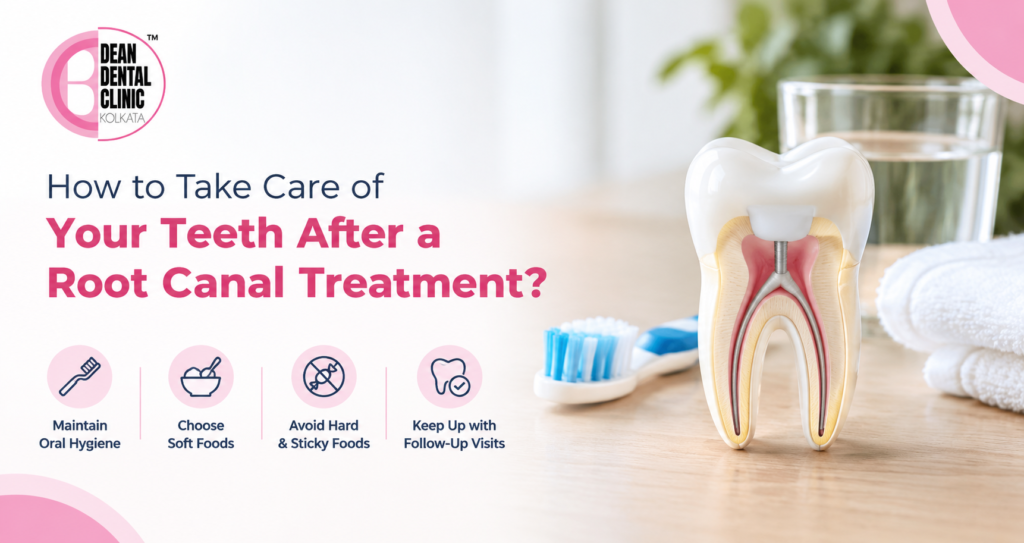
A root canal treatment helps save a damaged or infected tooth, but proper aftercare is essential for comfortable recovery. Although the procedure removes infected tissue from inside the tooth, the surrounding gums and tissues may remain sensitive for a few days. Knowing how to protect your treated tooth can reduce discomfort, prevent unnecessary pressure, and support long-term dental health.
If you have recently undergone treatment, understanding how to take care of your teeth after a root canal treatment will help you return to your normal routine with greater confidence. From choosing suitable foods to maintaining oral hygiene, these practical tips can make your recovery easier.
Why Is Aftercare Important After a Root Canal?
During root canal treatment, the dentist removes infected pulp, cleans the internal canals, and seals the space. Depending on the condition of the tooth, a temporary filling or permanent restoration may be placed.
The tooth can feel tender when biting because the surrounding tissues need time to settle. Additionally, a temporary filling may require extra care until the final restoration is completed. Following your dentist’s instructions helps protect the treated tooth while healing progresses.
1. Follow Your Dentist’s Instructions Carefully
Your dentist understands the condition of your tooth and the treatment performed. Follow the prescribed medication schedule and attend recommended follow-up appointments.
Avoid taking antibiotics or painkillers without professional guidance. Antibiotics are not necessary for every root canal case, and medication should be used only when prescribed or recommended appropriately.
If your dentist has placed a temporary filling, arrange the next appointment for the planned restoration. Do not postpone a recommended crown or permanent filling, as the treated tooth may become vulnerable to cracks or reinfection.
2. Choose Soft Foods During Initial Recovery
Eating carefully can help prevent unnecessary pressure on a sensitive tooth. For the first few days, choose foods that are easy to chew and comfortable to swallow.
Suitable options include:
- Soft rice, khichdi, and well-cooked vegetables.
- Scrambled eggs and soft fish.
- Yogurt, oatmeal, and mashed potatoes.
- Lukewarm soups and ripe bananas.
Avoid hard nuts, crunchy snacks, sticky sweets, and chewing ice. Very hot or cold foods may also feel uncomfortable if the tooth is sensitive.
Whenever possible, chew on the opposite side until your dentist confirms that the tooth is ready for normal biting. Follow any additional dietary restrictions provided after your appointment.
3. Maintain Oral Hygiene Without Irritating the Area
Keeping your mouth clean remains important after root canal treatment. Brush twice daily using a soft-bristled toothbrush and fluoride toothpaste. Clean around the treated tooth gently instead of avoiding the area completely.
Floss carefully to remove food particles between teeth, but do not pull aggressively against a temporary restoration. If floss catches or the filling feels loose, contact your dentist for advice.
You may rinse gently with warm salt water if your dentist recommends it, particularly when the surrounding gums feel tender. Avoid vigorous rinsing immediately after treatment if instructed otherwise.
4. Understand the Do’s and Don’ts After Root Canal Treatment
Knowing the essential do’s and don’ts after root canal treatment can help you avoid common recovery mistakes.
Do:
- Take prescribed medicines as directed.
- Eat soft foods and chew away from the treated tooth.
- Brush and floss gently every day.
- Keep follow-up appointments.
- Contact your dentist if symptoms worsen.
Don’t:
- Bite hard objects using the treated tooth.
- Smoke or use tobacco during recovery.
- Ignore a loose filling or damaged crown.
- Skip the permanent restoration recommended by your dentist.
- Assume severe or increasing pain is always normal.
These simple precautions help protect the tooth while your dentist monitors its recovery.
5. How Many Days Should You Rest After a Root Canal?
Most people can return to everyday activities on the same day or the following day, depending on the procedure, discomfort, and type of anaesthesia used. Extensive treatment or additional procedures may require more recovery time.
Mild tenderness can continue for several days, especially when biting. You generally do not need prolonged bed rest after a routine root canal, but taking things comfortably on the first day may help.
If sedation was used, follow your clinic’s instructions about driving, working, and supervision. Seek dental advice if pain increases, swelling develops, or symptoms interfere with normal activities.
6. How to Heal Faster After a Root Canal
Recovery depends on the original infection, the treatment performed, and your general oral health. There is no instant method to accelerate healing, but consistent care can support a smoother recovery.
First, protect the tooth from excessive chewing pressure. Second, maintain gentle brushing and flossing to limit plaque accumulation. Third, take medication only as directed and get adequate sleep while your body recovers.
Most importantly, complete the recommended restoration on time. A permanent filling or dental crown may be necessary to strengthen the tooth and reduce the risk of fracture. Avoid applying home remedies, oils, or unprescribed substances directly to the treated area.
7. Recognise Symptoms That Need Dental Attention
Some tenderness after treatment is expected, but certain symptoms should not be ignored. Contact your dentist if you experience severe or worsening pain, visible swelling, a bite that feels uneven, or a temporary filling that falls out.
Facial swelling accompanied by fever or difficulty opening your mouth requires prompt professional assessment. Difficulty breathing or swallowing, particularly with facial or neck swelling, requires emergency medical care.
Early attention can help identify complications and prevent a manageable problem from becoming more serious.
8. Protect Your Root Canal-Treated Tooth for the Long Term
A treated tooth still requires daily care. Brush, floss, limit frequent sugary snacks, and attend regular dental check-ups. Your dentist may recommend a crown depending on the tooth’s location, remaining structure, and risk of fracture.
Avoid using your teeth to open packaging or crack hard objects. If you grind your teeth, ask whether a protective night guard would be appropriate.
With suitable restoration and consistent oral hygiene, many root canal-treated teeth can function for years. Their long-term success depends on the quality of treatment, restoration, and ongoing care.
FAQs:
Do and don’ts after root canal treatment?
Eat soft foods, maintain oral hygiene, follow medication instructions, and attend follow-up visits. Avoid hard chewing, tobacco, and delaying your permanent restoration.
How many days should I rest after a root canal?
Many patients resume routine activities the same day or next day. Tenderness may last several days, depending on the tooth and treatment.
How to heal faster after a root canal?
Protect the treated tooth, clean your mouth gently, follow professional advice, and complete your permanent restoration as recommended.
Can I brush my teeth after a root canal?
Yes. Brush gently with a soft toothbrush and fluoride toothpaste, taking care around sensitive tissues and temporary restorations.
Is pain normal after root canal treatment?
Mild tenderness can occur for a few days. Severe, persistent, or increasing pain should be assessed by your dentist.
Conclusion
Learning how to take care of your teeth after a root canal treatment helps protect your treated tooth and supports a comfortable recovery. Choose suitable foods, maintain gentle oral hygiene, avoid excessive biting pressure, and complete your recommended dental restoration.
For personalised aftercare guidance or concerns following treatment, contact Dean Dental Clinic to arrange a dental consultation. Timely professional care and consistent daily habits can help you protect your smile for the long term.
Read More: